.png)
Push-Pull vs Bayonet vs Threaded: Choosing the Right Coupling for Circular Connectors
Executive Summary
Every circular connector is defined first by how it locks. Push-pull, bayonet and threaded systems trade mating speed against vibration security, sealing and contact density — and choosing the wrong one shows up later as intermittent faults or lost maintenance hours.
Three coupling systems cover almost every circular connector application: push-pull, quarter-turn bayonet and continuous thread. The differences look cosmetic until a connector has to survive 20 g of vibration, be swapped forty times a shift, or hold IP68 under a metre of water. This guide compares the three mechanisms on the families we manufacture, using published cycle life, sealing and temperature figures.
Push-Pull: Speed Without Tools
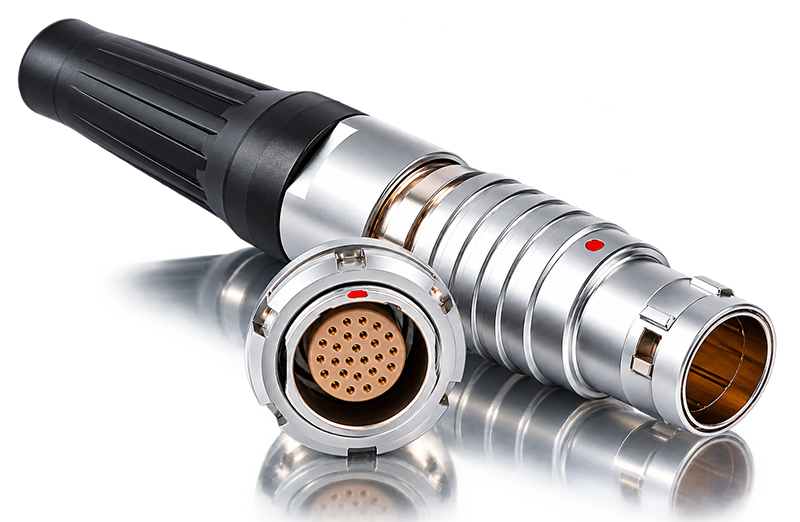
A push-pull connector latches on insertion and releases when the outer sleeve is pulled back. There is no rotation at all, so it can be mated in a space barely wider than the cable and released without a wrench. On our HY-02 B series the mechanism is rated for more than 5000 mating cycles — roughly ten times a threaded coupling — with 2 to 32 contacts across 0B to 3B shells, IP50 sealing and an operating range of −45 °C to +125 °C.
The same latching action scales in two directions. The HY-02 K series adds full sealing to IP68 when mated and correctly cabled, for outdoor and washdown equipment. The HY-02 S series goes the other way, shrinking to a 00–2S shell with 2 to 6 contacts on a stepped half-moon insert that carries male and female contacts side by side.
Bayonet: A Third of a Turn
Bayonet coupling pushes and twists through a short arc — typically a third of a turn — until three pins seat in their ramps. It is faster than threading and far more resistant to backing out under vibration than a simple friction fit, which is why it dominates aviation and field equipment.
Our YQ3 series is built to GJB2889 and is fully interchangeable with domestic XC-series products. Nine shell sizes from 14 to 39 cover 1 to 62 contacts in 30 arrangements, with solder, crimp and PCB termination options and IP67 sealing. Cycle life is 500 matings — plenty for equipment that is serviced rather than re-cabled daily, but the number to watch if the connector is part of a routine swap.
Threaded: Maximum Vibration Security
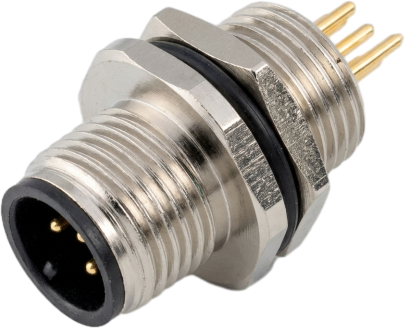
A threaded coupling distributes clamping load around the full circumference and cannot be worked loose by vibration alone. That makes it the default for engine bays, antenna masts and any installation where a loose connector is a safety event rather than an inconvenience.
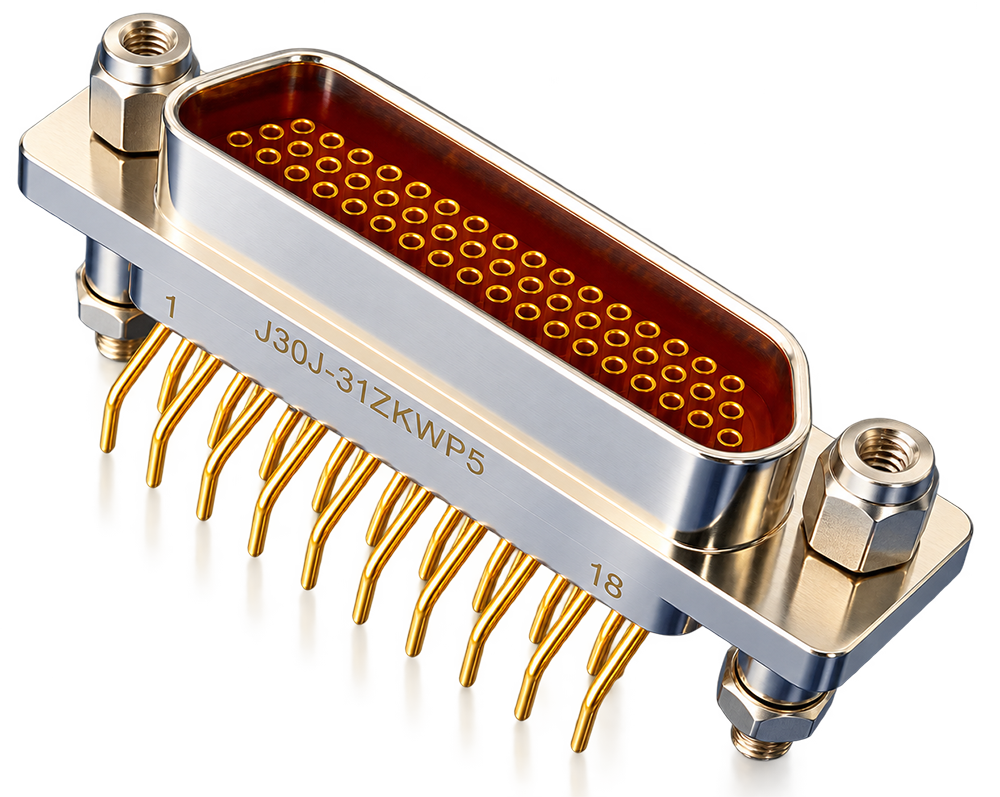
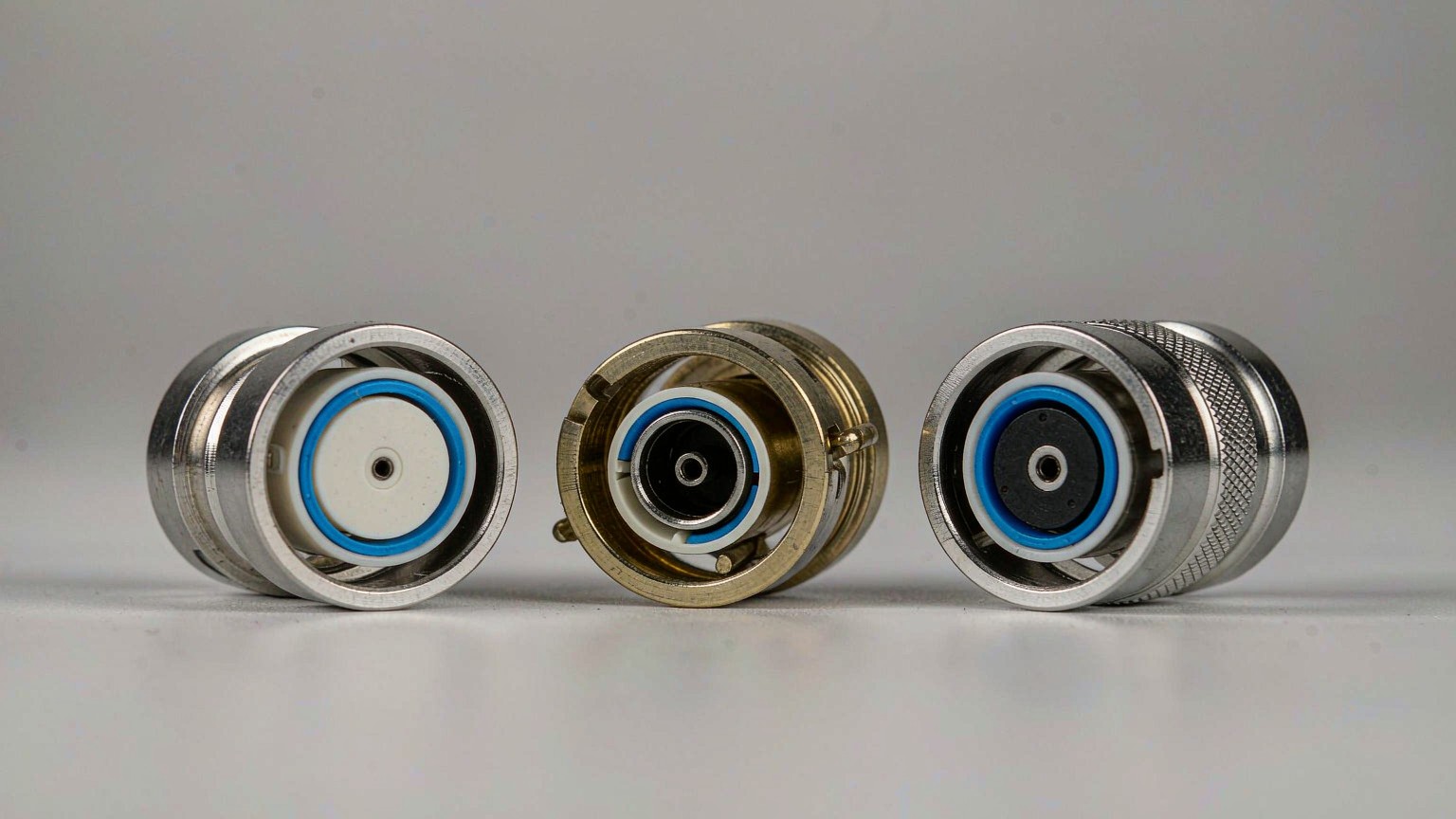
The GJB599 series, qualified to MIL-DTL-38999K, is the reference example: metal and composite shells, 500 mating cycles, and a contact system that holds electrical continuity through shock and random vibration. On the RF side the same logic applies to the N series, whose threaded 50 Ω interface stays stable to 11 GHz under the movement that would disturb a snap-on connector.
How to Decide
- Choose push-pull when the connector will be mated often, by hand, in confined space — medical carts, test fixtures, portable instrumentation. Cycle life above 5000 matings matters more than torque security here.
- Choose bayonet when you need a positive lock plus fast field service, and the equipment is maintained on a schedule rather than continuously. The quarter-turn action is easy to verify by feel and by sight.
- Choose threaded when vibration, shock or clamping force dominate, or when the connection must survive years without attention — airframe, rail, outdoor RF feeders.
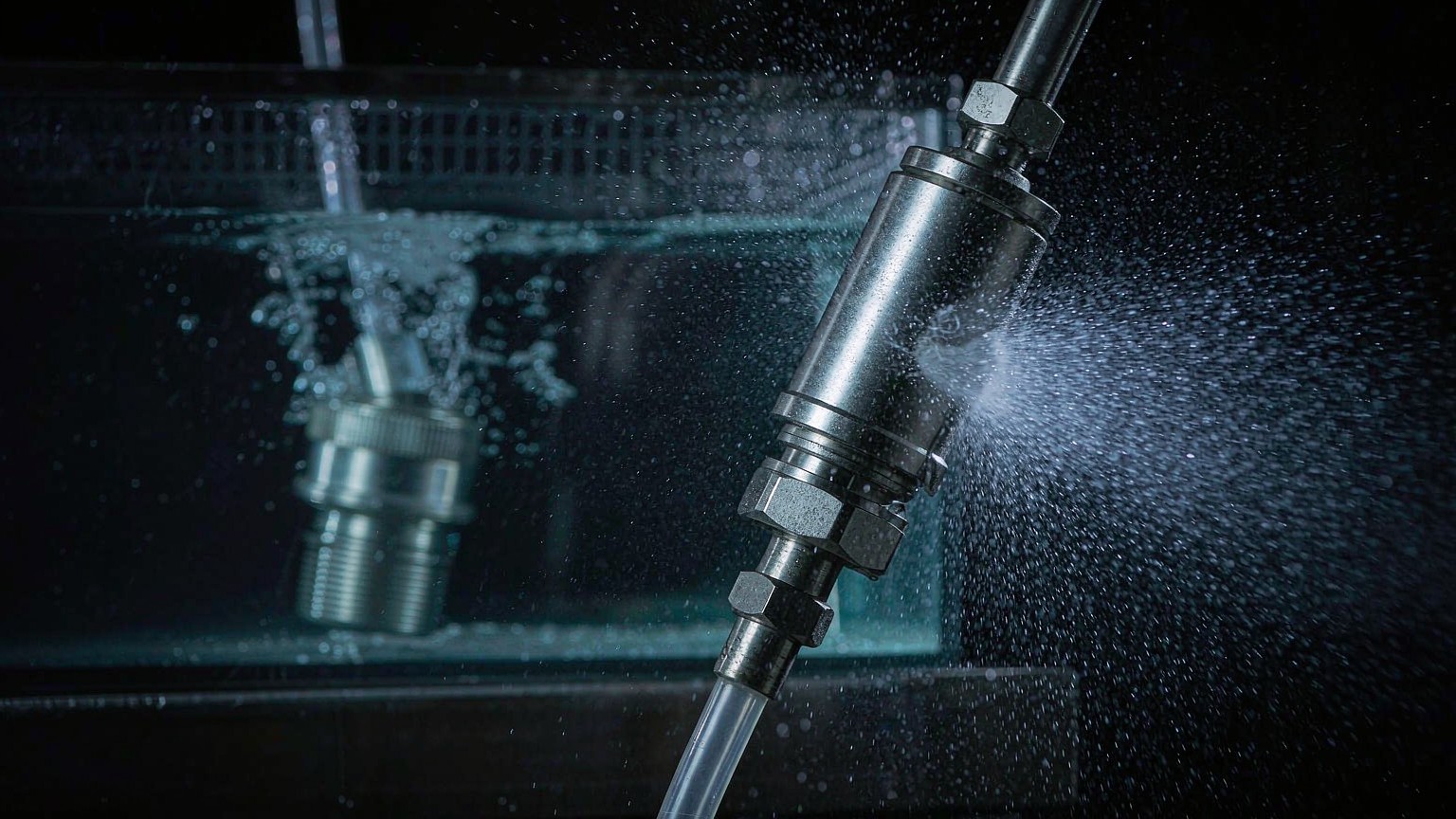
- Check the sealing grade separately. The coupling type does not set IP rating: an identical push-pull body can be IP50 or IP68 depending on the seals and the cable gland.
- Match cycle life to the maintenance regime. A 500-cycle coupling used forty times a day reaches end of life in under a month.
Mixing Mechanisms Inside One Enclosure
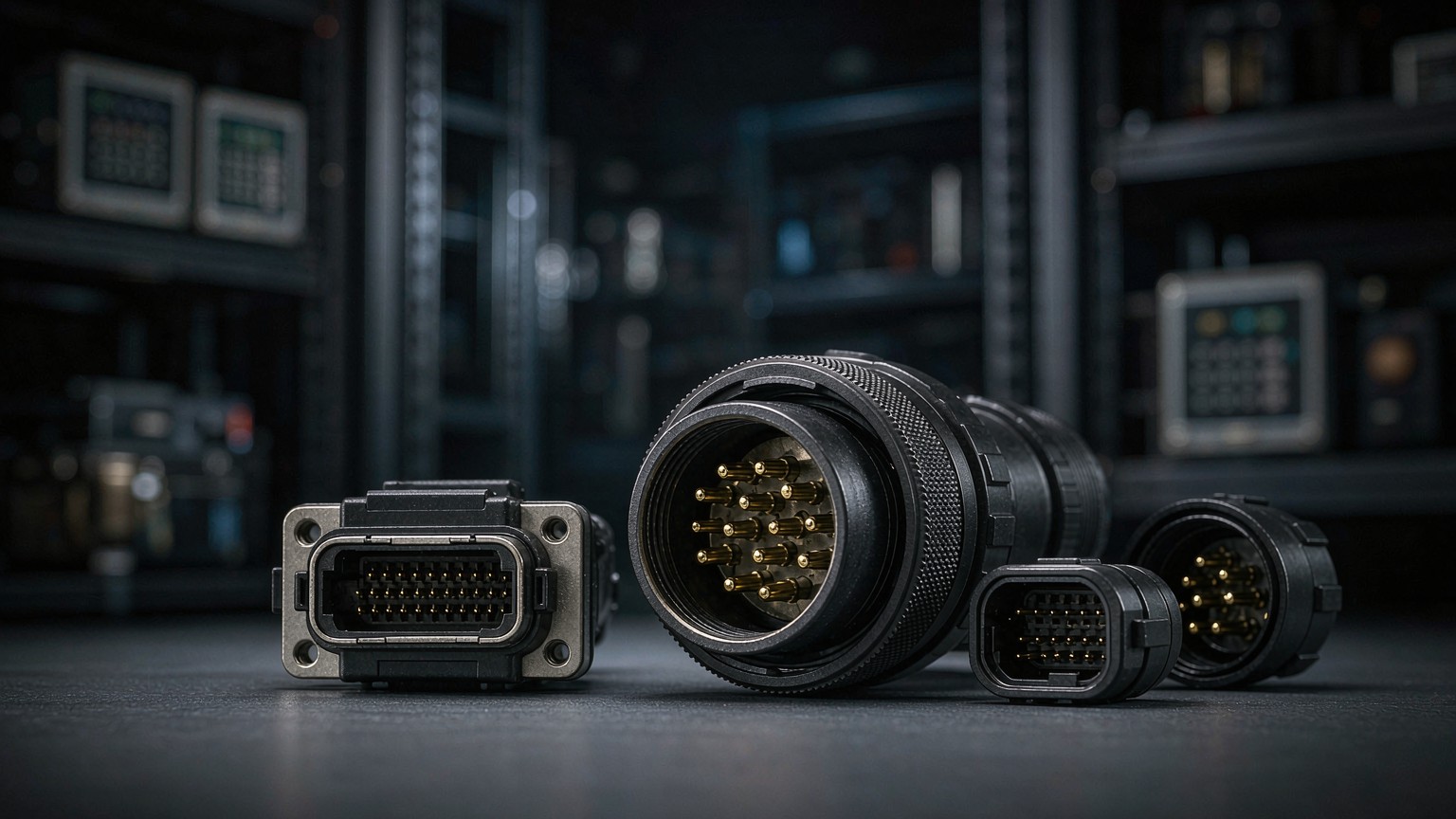
It is common to see all three in a single machine: threaded GJB599 bulkheads for the external harness, bayonet YQ connectors at field-serviceable panels, and push-pull HY-02 inside the cabinet where an engineer needs to swap a module in seconds. Standardising on the family rather than the mechanism is usually the better decision — sharing one contact system and one crimp tool across a product line saves more time than optimising each joint individually.
Talk to a Hengyu application engineer:
Guangzhou Hengyu Electronic Technology Co., Ltd. · No. 188 Kaiyuan Avenue, Huangpu District, Guangzhou, China
Direct Inquiry Email: sales@hengyu-connector.com
Official WhatsApp: +86-20-87831269